


Beijing Art Museum Officially Breaks Ground in the BMC
Source:Beijing Tongzhou Fabu 2026-01-16
As a landmark cultural project during Beijing’s 15th Five-Year Plan period, the Beijing Art Museum project has recently officially broken ground in the BMC. As a major landmark building tasked with optimizing the layout of Beijing’s cultural service facilities and advancing the allocation of high-quality cultural resources within the BMC, the project has now formally entered the construction phase.
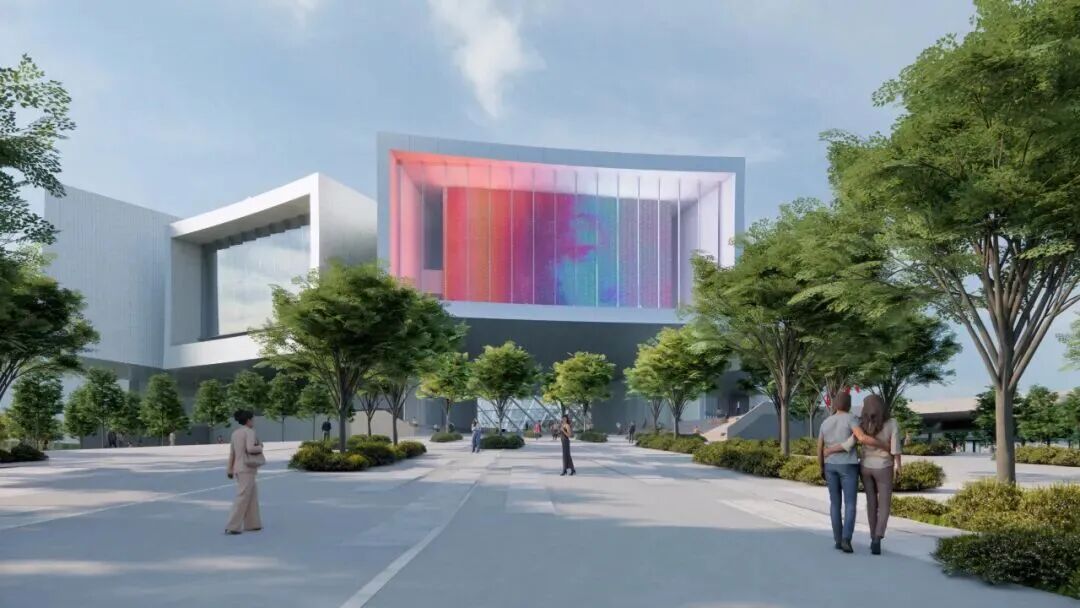
The project is located in the southern part of Cluster 1001 of the BMC, east of the Sixth Ring Road, north of the Beijing–Tianjin Highway, and above the Sports Center Station of Metro Line M101. It has a total floor area of approximately 118,000 square meters, with a building height of 36 meters (up to 48 meters in partial areas). The design draws inspiration from the concept of an “artistic eye” that bridges past and present and perceives all things. Through open, fluid exhibition spaces, the museum is intended to foster dialogue and close connections between the public and art.
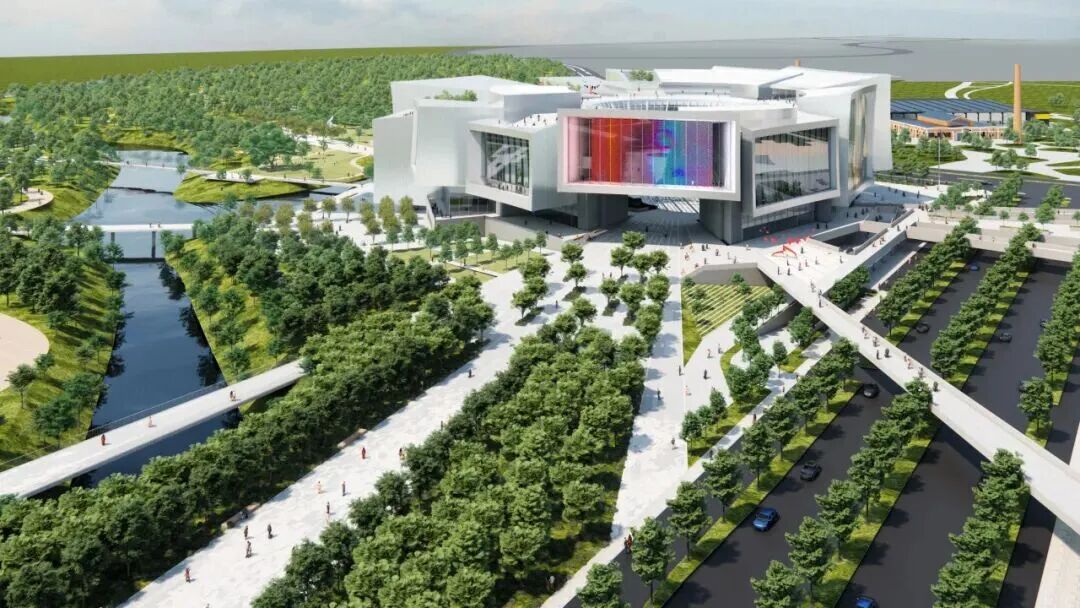
Upon completion, the project will become a mega-sized comprehensive art museum located in the BMC, systematically showcasing renowned domestic and international works of painting, calligraphy, sculpture, and other art forms. It will create a multifunctional cultural space integrating art exhibitions, cultural exchange, and leisure services, further enriching public cultural life.
Once completed, the Beijing Art Museum will echo and complement the three major cultural facilities of the BMC, becoming another new cultural emblem and landmark of Beijing, and injecting fresh momentum into the development of the BMC’s cultural and tourism industries.
As the project’s full-process development and construction management entity, the relevant charger of Beijing Investment Group stated that the group will work in close coordination with the Beijing Fine Art Academy and all participating construction parties, scientifically aligning functional requirements, systematically arranging construction schedules, strictly controlling costs, and meticulously refining construction quality. Every effort will be made to build the Beijing Art Museum into a benchmark cultural architecture of the BMC and to contribute to Beijing’s development as a national cultural center.
Rendering image
Upon completion, the project will become a mega-sized comprehensive art museum located in the BMC, systematically showcasing renowned domestic and international works of painting, calligraphy, sculpture, and other art forms. It will create a multifunctional cultural space integrating art exhibitions, cultural exchange, and leisure services, further enriching public cultural life.
Rendering image
Once completed, the Beijing Art Museum will echo and complement the three major cultural facilities of the BMC, becoming another new cultural emblem and landmark of Beijing, and injecting fresh momentum into the development of the BMC’s cultural and tourism industries.
As the project’s full-process development and construction management entity, the relevant charger of Beijing Investment Group stated that the group will work in close coordination with the Beijing Fine Art Academy and all participating construction parties, scientifically aligning functional requirements, systematically arranging construction schedules, strictly controlling costs, and meticulously refining construction quality. Every effort will be made to build the Beijing Art Museum into a benchmark cultural architecture of the BMC and to contribute to Beijing’s development as a national cultural center.