




BMC Intangible Cultural Heritage Immersive Study Tour
Source:Tongzhou Cultural Tourism 2026-01-23
With the winter vacation approaching, are you hoping your child can broaden their horizons while enjoying meaningful activities during the holidays? Would you like them to experience the enduring charm of China’s outstanding traditional culture through immersive cultural encounters? This BMC Intangible Cultural Heritage immersive study tour invites you and your child to explore living heritage traditions, engage with millennia-old craftsmanship, and listen to stories of dedication and artistry—gaining hands-on insight into the historical and cultural legacy of the BMC.
01 Tangrenfang Cultural and Creative Park
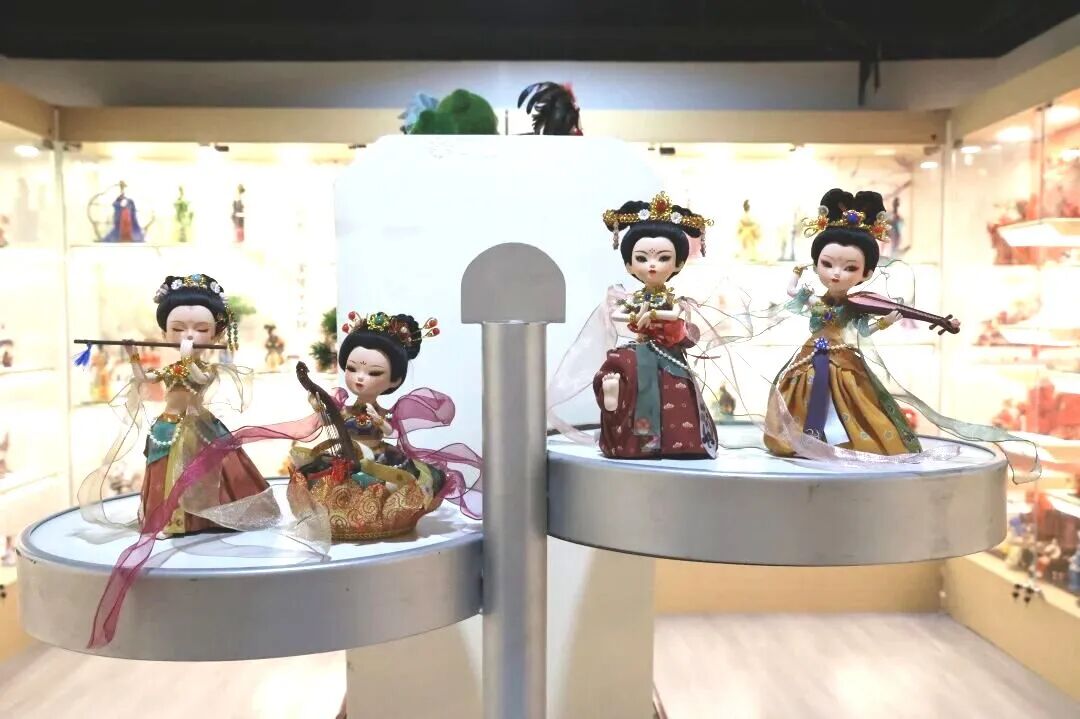
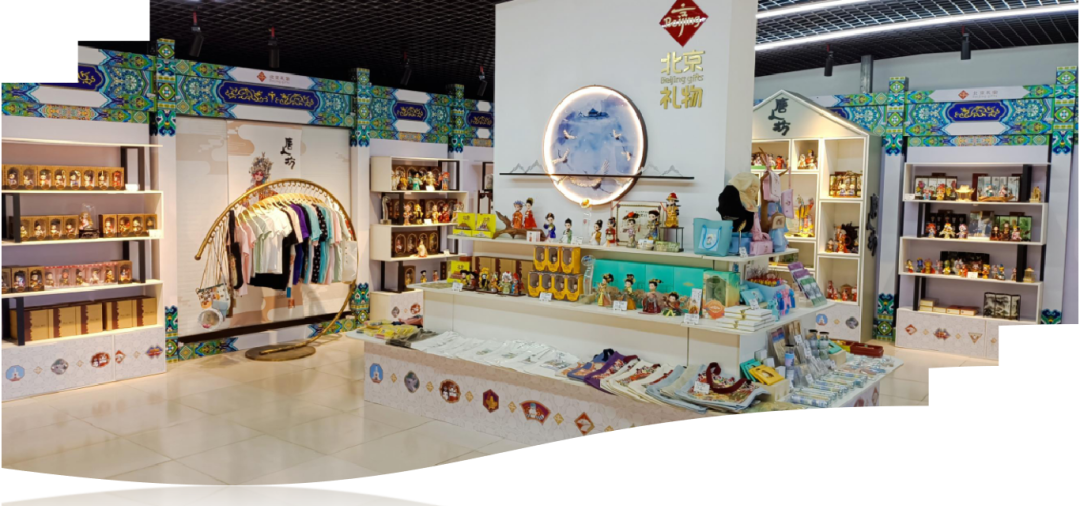
Address: Tangrenfang Doll Art Museum — Yanhe Road, Tongzhou District, Beijing
02 Dongfang Yizhen Filigree Inlay Workshop
Address: Beijing Dongfang Yizhen Filigree Inlay Workshop — No. 6 Guangju Street, Tongzhou District, Beijing
Visiting Hours: Advance reservation required
Visiting Requirements: Please comply with on-site safety regulations and follow designated routes; photography and video recording are prohibited in production areas; hands-on experience programs must be conducted under staff guidance, with tools and equipment properly cared for.
03 Exploring the Ancient Canal Town
Address: Tongyun Bridge and Zhangjiawan Town City Wall Ruins — Zhangjiawan Town, Tongzhou District, Beijing
Address: Statue of Cao Xueqin — Approximately 65 meters northwest of the intersection of Zhangtai Road and Zhangliang Road, Tongzhou District, Beijing
01 Tangrenfang Cultural and Creative Park
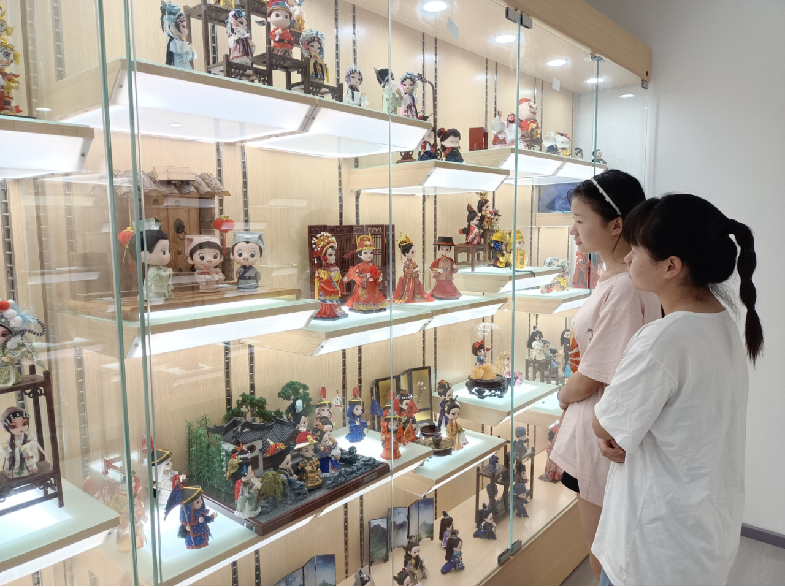
Stepping into Tangrenfang Cultural and Creative Park, it feels like entering a miniature historical and cultural theater. The park houses a collection of hundreds of exquisite silk figurines, covering a wide range of themes including historical figures and mythological legends. The hairstyles and costumes are meticulously crafted, with every detail reflecting refined craftsmanship.
Beyond exhibitions, the park has thoughtfully designed a variety of intangible cultural heritage experience programs for families. From Tang-style doll making, indigo dyeing, and embroidery to Hanfu cultural experiences, parents and children can participate hands-on, feeling the warmth of traditional skills and transforming cultural inheritance into joyful, tangible, and creative memories.
Address: Tangrenfang Doll Art Museum — Yanhe Road, Tongzhou District, Beijing
Visiting Hours: Monday to Saturday, 9:00–16:00 (Advance reservation required)
02 Dongfang Yizhen Filigree Inlay Workshop
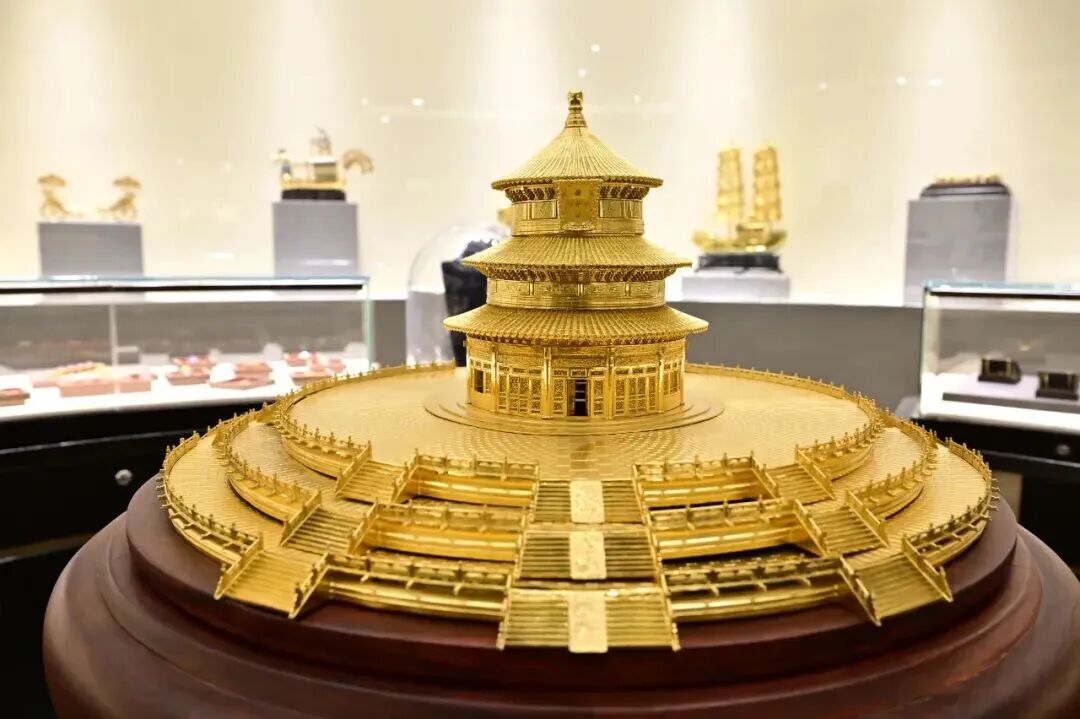
The next stop is the Dongfang Yizhen Filigree Inlay Workshop. As a national-level intangible cultural heritage inheritance base for filigree inlay craftsmanship, it preserves a technique passed down for thousands of years and is honored as one of the “Eight Crafts of Beijing.”
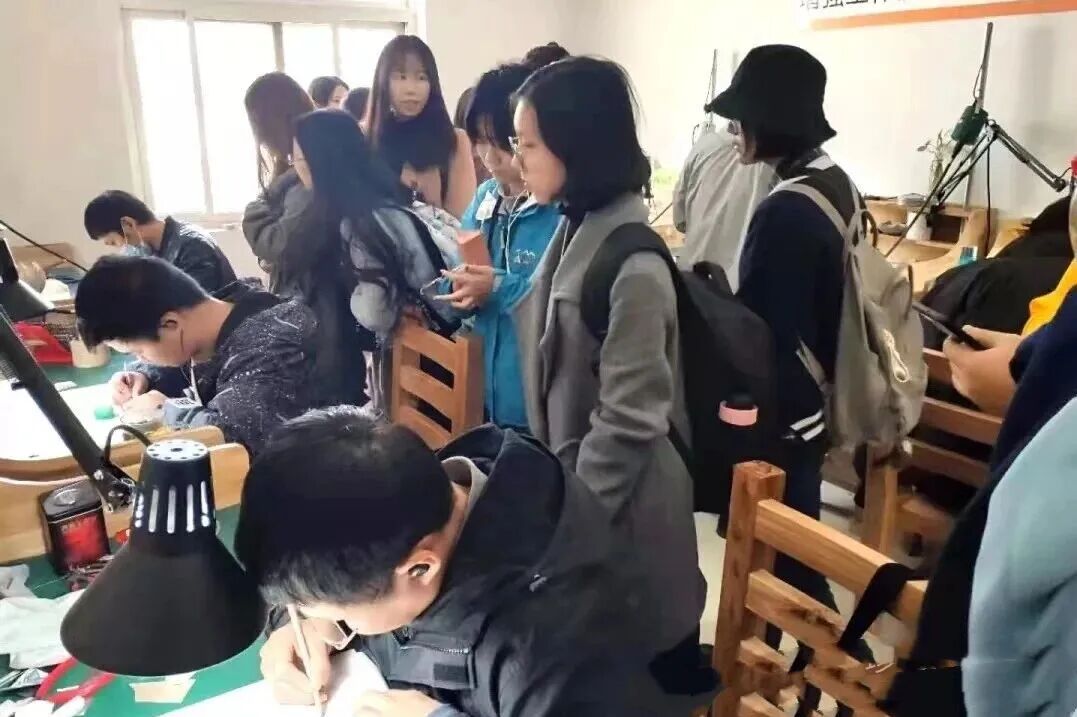
Upon entering the workshop, a strong atmosphere of traditional craftsmanship immediately surrounds visitors. In the transparent viewing area of the “Intangible Cultural Heritage Craftsmanship Display” production line, artisans work intently at their benches, weaving gold threads as fine as hair into intricate ornaments and decorative pieces. Under the guidance of professional instructors, children can personally experience techniques such as wire pinching and wire weaving, appreciating the delicacy of this precious heritage craft and understanding the enduring value of the artisan spirit.
Address: Beijing Dongfang Yizhen Filigree Inlay Workshop — No. 6 Guangju Street, Tongzhou District, Beijing
Visiting Hours: Advance reservation required
Visiting Requirements: Please comply with on-site safety regulations and follow designated routes; photography and video recording are prohibited in production areas; hands-on experience programs must be conducted under staff guidance, with tools and equipment properly cared for.
03 Exploring the Ancient Canal Town
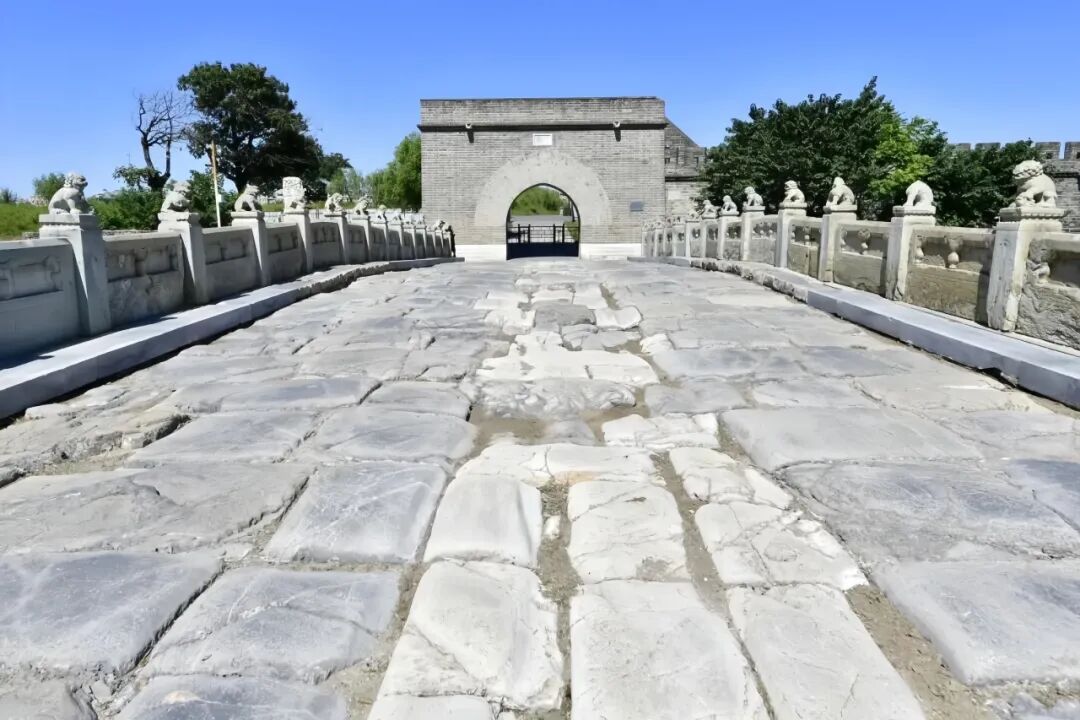
Visitors may also explore Tongyun Bridge and the ruins of the ancient city walls of Zhangjiawan. Tongyun Bridge stands quietly, bearing witness to the development and transformation of the ancient canal town. Standing on the bridge, one can almost be transported back to an era bustling with boats and lively crowds. Although the ancient city walls of Zhangjiawan have suffered from warfare and the passage of time, the remaining southern section continues to tell the story of its former glory. Here, children can experience the weight and vicissitudes of history and learn about the evolution and development of canal transportation culture.
Address: Tongyun Bridge and Zhangjiawan Town City Wall Ruins — Zhangjiawan Town, Tongzhou District, Beijing
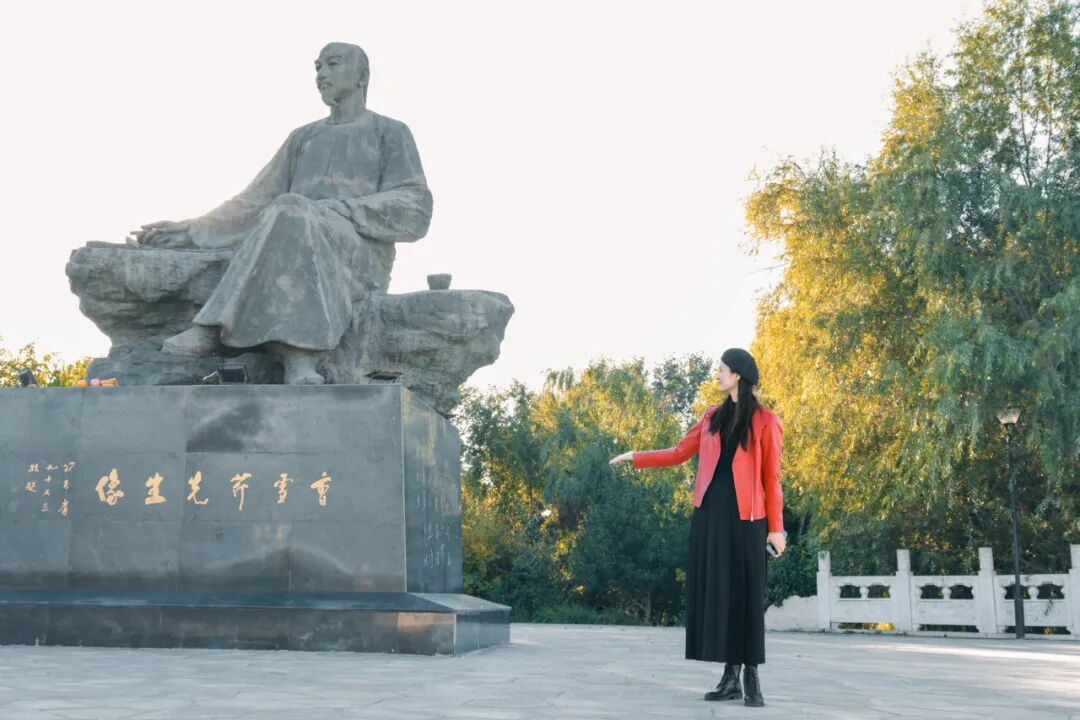
Afterward, a leisurely walk along the banks of the Xiaotaihou River is well worth taking, where a statue of Cao Xueqin stands. Before the statue, visitors can imagine the great literary master composing his monumental work in this very setting. By learning about Cao Xueqin’s life and creative background, children can gain a deeper understanding of the profound meaning and literary value of Dream of the Red Chamber.
Address: Statue of Cao Xueqin — Approximately 65 meters northwest of the intersection of Zhangtai Road and Zhangliang Road, Tongzhou District, Beijing